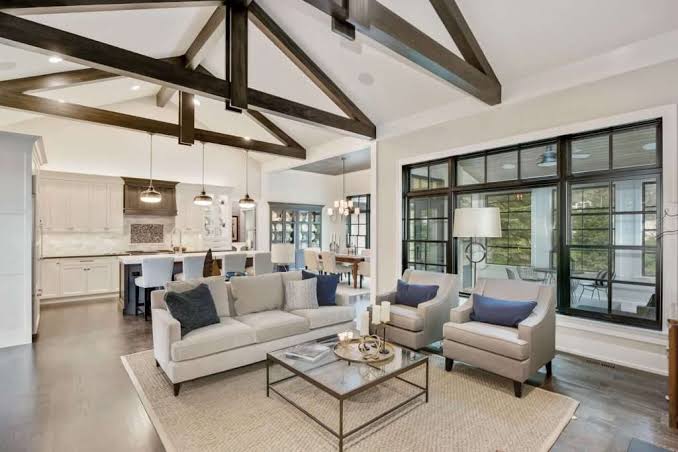
A home does not need a complete renovation to feel better. In many cases, small improvements can make rooms more comfortable, organised, and practical. Something as simple as improving storage, changing the lighting, rearranging furniture, or fixing a minor problem can have a noticeable effect on daily life.
The best home improvements are not always the most expensive ones. A useful change is one that solves an actual problem and continues to provide value long after the initial excitement has disappeared.
Start With Decluttering
Before buying new furniture or decorative items, it is worth looking at what is already inside the home. Over time, unused belongings can slowly take over cupboards, shelves, bedrooms, and living areas.
Decluttering does not mean throwing away everything. It simply means deciding which things are useful, which are meaningful, and which are taking up space without serving a purpose.
Once unnecessary items are removed, rooms often feel more open. Cleaning also becomes easier because there are fewer objects competing for space.
Improve Storage in Practical Ways
Storage is one of the biggest challenges in many homes. Even when there are plenty of cupboards, poor organisation can make them difficult to use.
Simple solutions such as wall shelves, baskets, drawer organisers, storage boxes, and furniture with built-in storage can help make better use of available space.
Vertical storage can be especially useful in smaller rooms because it takes advantage of wall space without using much floor area.
For homeowners looking for ideas about improving the way a home is arranged and used, HomeShiftZ can be explored for additional home-focused inspiration.
Give Lighting More Attention
Lighting can completely change the atmosphere of a room. A space with poor lighting may feel dull, while a well-lit room can feel more welcoming.
Natural light should be used wherever possible. Keeping windows clear and choosing suitable curtains can help increase daylight.
Artificial lighting can also be layered. A main ceiling light can provide general illumination, while table lamps, floor lamps, or wall lights can create more focused areas.
Different rooms may need different lighting solutions. A kitchen usually benefits from practical task lighting, while bedrooms and living rooms may work better with softer options.
Rearrange Furniture
Sometimes a room does not need new furniture—it simply needs a better arrangement.
Furniture should allow people to move around comfortably. Sofas, tables, chairs, and cabinets should not block important pathways or make a room feel unnecessarily crowded.
Try experimenting with different layouts before purchasing anything new. Even moving one large piece can sometimes make a surprising difference.
The arrangement should also match how the room is used. A family living area needs a different setup from a quiet reading corner or a home workspace.
Make Small Repairs Early
Small household problems are easy to ignore, especially when they do not cause immediate trouble. A loose handle, damaged seal, dripping tap, or small wall crack may not seem important at first.
However, minor problems can sometimes become more complicated when they are left unattended. Regular maintenance helps homeowners identify issues early and keep the property in better condition.
A simple maintenance routine can include checking plumbing fixtures, doors, windows, electrical fittings, drainage areas, and other frequently used parts of the home.
Create More Useful Rooms
Every room should have a clear purpose. If a space is rarely used, consider whether it could serve another function.
An unused corner might become a small workspace. A wide hallway could accommodate a narrow storage unit. A spare room might work as a guest room, study, hobby area, or combination space.
The goal is not to squeeze something into every empty corner. Instead, think about how the household actually lives and whether unused areas could provide practical value.
Refresh Walls Without Major Renovation
Walls often occupy a large portion of a room, so even a simple change can have a noticeable visual impact.
A fresh coat of paint is one option, but homeowners can also use artwork, photographs, mirrors, shelves, or other decorative pieces.
Neutral walls can provide a flexible background for furniture and accessories, while a carefully chosen feature wall can introduce more personality.
The important thing is to choose an approach that suits the room rather than following every decorating trend.
Make the Entryway More Functional
The entrance of a home is often overlooked, despite being one of the most frequently used areas.
A small bench, shoe storage, hooks, a mirror, or a simple shelf can make the entrance much more organised. Having a dedicated place for keys, shoes, bags, and everyday items can also reduce clutter throughout the rest of the house.
Even a narrow entrance can benefit from thoughtful organisation.
Use Décor That Feels Personal
A home should reflect the people who live there. Personal photographs, artwork, books, plants, and meaningful objects can make a space feel more welcoming.
Decorating does not require filling every surface. A few carefully selected pieces can often create more character than a room packed with decorations.
For people interested in home stories, interiors, practical living spaces, and everyday household ideas, HomeInkZ can also provide useful inspiration.
Think About Comfort as Well as Appearance
A room can look attractive and still be uncomfortable. Furniture should be practical, seating should be suitable for everyday use, and temperatures and lighting should be considered.
Soft furnishings such as cushions, curtains, and rugs can make rooms feel warmer and more comfortable without requiring major changes.
Comfort should always be part of the decorating process because a home is ultimately a place for living, not simply a display space.
Choose Improvements That Last
When deciding what to change, consider durability and long-term usefulness. Cheap products are not always the most economical choice if they need to be replaced frequently.
Good-quality materials, proper maintenance, and sensible design can help improvements remain useful for years.
This does not mean every project needs a large budget. A simple, well-planned improvement can provide more value than an expensive upgrade that does not solve a genuine problem.
Create a Home That Works for You
There is no single formula for creating the perfect home. Every household has different needs, routines, budgets, and preferences.
The most successful improvements are usually the ones that make everyday life easier. Better storage can reduce clutter, improved lighting can make rooms more pleasant, furniture rearrangement can create more usable space, and regular maintenance can prevent unnecessary problems.
A comfortable home is built gradually. By paying attention to practical needs and making thoughtful changes over time, homeowners can create spaces that feel organised, personal, and genuinely enjoyable to live in.
Leave a Reply